
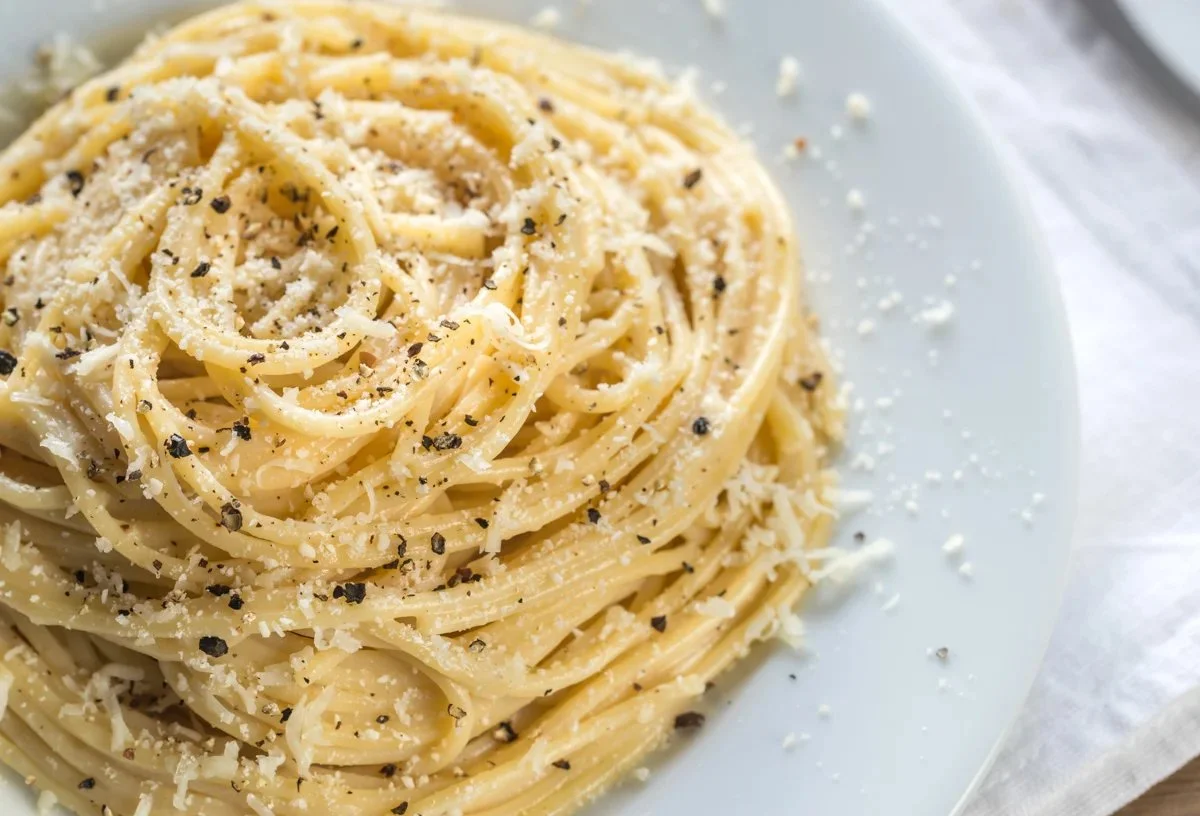
Cacio e Pepe is a classic Italian dish that brings warmth and comfort to the table with its simplicity and depth of flavor. This dish combines the earthy notes of Pecorino Romano cheese with the robust heat of black pepper, creating a symphony of tastes that is both satisfying and nostalgic. Whether you’re cooking for a cozy family dinner or impressing guests at a gathering, this quick and easy recipe will undoubtedly become a favorite in your kitchen. Below, I’ll guide you step-by-step through the preparation of Cacio e Pepe, making sure you get the most out of every delicious bite.
Ingredients
To make a rich and creamy Cacio e Pepe, you’ll need the following ingredients:
- Salt: Essential for enhancing the flavors of the pasta.
- 8 oz bucatini, spaghetti, or tonnarelli: Choose your favorite long pasta for a satisfying bite.
- 2 tablespoons unsalted butter: This adds a rich creaminess to the sauce.
- 1½ to 2 teaspoons freshly ground black pepper: Depending on your preference for spice; fresh pepper elevates the dish.
- 1 cup (3½ oz) finely grated Pecorino Romano cheese: A sharp, salty cheese that brings depth to this classic dish.
By choosing high-quality ingredients, you ensure that every mouthful of Cacio e Pepe is an explosion of flavor, marrying the creamy texture of the cheese with the slight bite of freshly cracked pepper.
Step-by-Step Directions
-
Prepare the Pasta: In a Dutch oven or large pot, bring 2 quarts (2 liters) of water and 1 teaspoon of salt to a rolling boil. Add your choice of pasta—bucatini, spaghetti, or tonnarelli—and cook according to the package instructions until al dente. It’s vital to cook the pasta just right to maintain the desired texture.
-
Reserve the Pasta Water: Before draining, reserve 1 cup (240 ml) of the pasta cooking water. This starchy water is a key element in achieving the perfect sauce consistency. Drain the pasta and set it aside.
-
Flavor the Butter: Return the same pot to the stove over low heat. Melt 2 tablespoons of unsalted butter in the pot, allowing it to foam slightly. Add 1½ to 2 teaspoons of freshly ground black pepper and cook, stirring constantly, until fragrant—about 1 minute. This step brings out the essential oils in the pepper, making it aromatic and flavorful.
-
Coat the Pasta: Add the drained pasta to the pot and toss it gently to ensure every strand is coated in the buttery pepper mixture. Remove the pot from heat to prevent the sauce from clumping.
-
Create the Sauce: In a blender, combine the grated Pecorino Romano cheese with ⅔ cup (160 ml) of the reserved pasta water. Blend for 10 to 15 seconds until smooth and creamy. This is where the magic happens, transforming dry cheese into a rich sauce.
-
Combine Pasta and Sauce: Pour the cheesy mixture over the pasta in the pot. Toss using tongs to mix well. Place the pot back over low heat and cook, stirring constantly, until the sauce reaches a consistency similar to thin cream—this should only take a few minutes. If the sauce is too thick, add more reserved pasta water gradually. Be careful not to overheat, as this can make the sauce clump.
-
Serve Immediately: Once perfectly creamy, transfer your Cacio e Pepe to bowls. Add extra grated cheese and black pepper at the table for those who like it spicier.
Tips & Tricks
- For an authentic flavor, use high-quality Pecorino Romano cheese. Freshly grating the cheese will also improve texture and taste.
- Adjust the amount of black pepper to your personal preference, but remember that Cacio e Pepe is traditionally known for its peppery kick!
- Make sure you reserve enough pasta water; adding it slowly as needed keeps the sauce perfectly smooth.
Serving Suggestions & Pairings
Serve Cacio e Pepe hot, garnished with additional Pecorino Romano cheese and a sprinkle of black pepper. This dish pairs wonderfully with a light, crisp salad or steamed greens to balance the richness. For beverages, a chilled white wine like Pinot Grigio complements the meal beautifully.
Nutritional Information
Cacio e Pepe is not just delicious; it also satisfies your hunger with its rich ingredients. Each serving contains approximately 400-500 calories, depending on the amount of cheese used. While it’s indulgent, it’s tempered by the balance of wholesome pasta and the lightness of preparing it yourself.
Storing Tips & Variations
To store leftover Cacio e Pepe, allow it to cool, then transfer it to an airtight container. It can be refrigerated for 2-3 days. To reheat, add a splash of water or broth to loosen the sauce while warming gently on the stovetop.
For variations, you could try adding sautéed vegetables like spinach or mushrooms for added nutrients and flavor. Similarly, experimenting with other cheeses can provide new twists on this classic recipe.
Conclusion
Now that you have mastered the art of making Cacio e Pepe, it’s time to enjoy the delightful balance of creamy cheese and aromatic pepper that this classic dish offers. Don’t hesitate to try this recipe and put your personal spin on it—maybe try adding a splash of lemon for brightness or incorporating your favorite add-ins. I encourage you to share your experience in the comments below!
FAQs
-
Can I use a different type of cheese?
Yes, while Pecorino Romano is traditional, other hard cheeses like Parmesan can be used, although the flavor will differ. -
What if I don’t have a blender?
You can finely grate the cheese and mix it with the pasta water in the pot directly, using vigorous stirring to create a creamy sauce. -
Can I make Cacio e Pepe vegan?
Absolutely! Use a plant-based butter substitute and a vegan cheese alternative to achieve a similar flavor profile. -
How can I make the dish gluten-free?
Substitute the regular pasta with gluten-free pasta and follow the same cooking instructions. -
Is it okay to add more pepper?
Yes, feel free to adjust the amount of freshly ground black pepper according to your taste preferences to make the dish as spicy as you like.
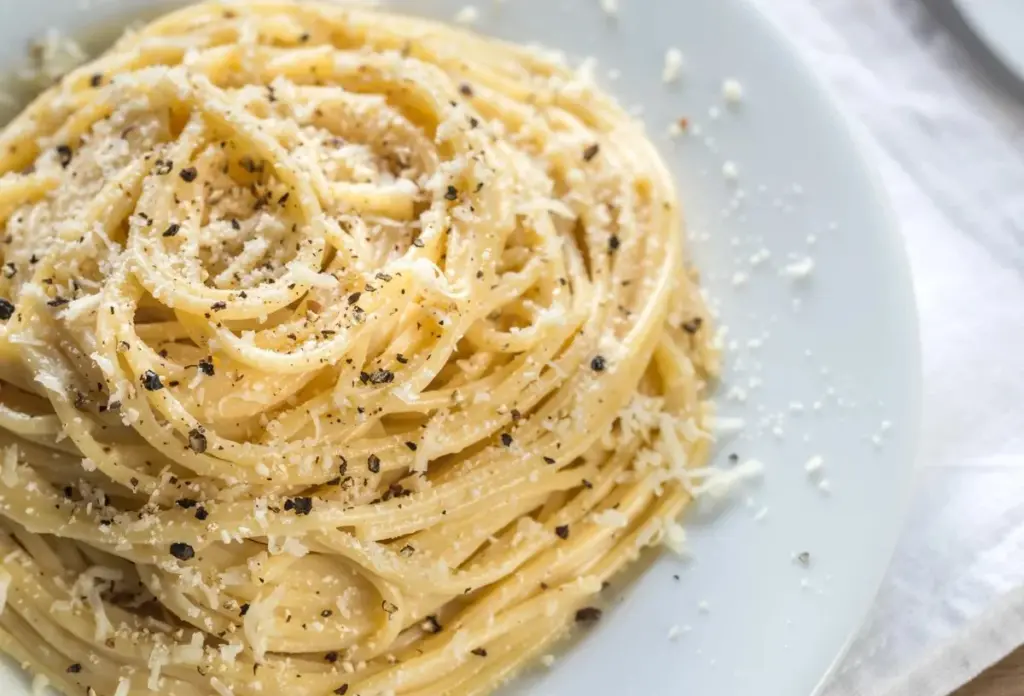
Cacio e Pepe
Ingredients
Method
- In a Dutch oven or large pot, bring 2 quarts (2 liters) of water and 1 teaspoon of salt to a rolling boil.
- Add your choice of pasta—bucatini, spaghetti, or tonnarelli—and cook according to the package instructions until al dente.
- Before draining, reserve 1 cup (240 ml) of the pasta cooking water.
- Drain the pasta and set it aside.
- Return the same pot to the stove over low heat.
- Melt 2 tablespoons of unsalted butter, allowing it to foam slightly.
- Add 1½ to 2 teaspoons of freshly ground black pepper and cook for about 1 minute, stirring constantly.
- Add the drained pasta to the pot and toss it gently to coat every strand in the buttery pepper mixture.
- Remove the pot from heat.
- In a blender, combine the grated Pecorino Romano cheese with ⅔ cup (160 ml) of the reserved pasta water.
- Blend for 10 to 15 seconds until smooth and creamy.
- Pour the cheesy mixture over the pasta in the pot and toss using tongs to mix well.
- Place the pot back over low heat and cook, stirring constantly until the sauce reaches a creamy consistency, adding more reserved pasta water if necessary.
- Transfer your Cacio e Pepe to bowls and add extra grated cheese and black pepper at the table to taste.




Leave a Reply