
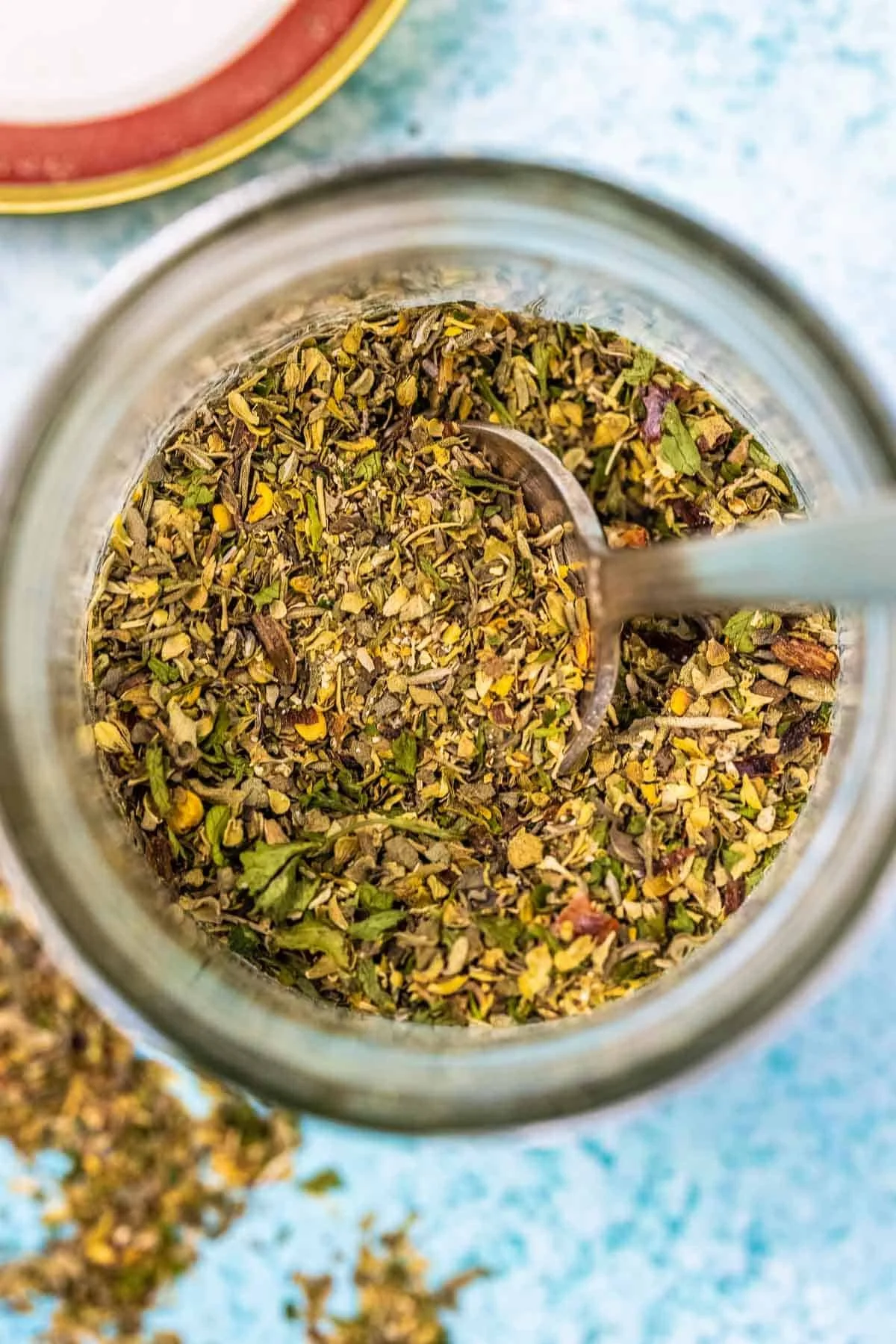
Homemade Italian Seasoning is a delightful blend of herbs that brings the vibrant flavors of Italy right into your kitchen. This versatile seasoning can elevate a variety of dishes, making them aromatic and bursting with zest. Easy to prepare and versatile, this homemade recipe provides a comforting connection to classic Italian cooking. In just a few simple, step-by-step instructions, you can create a go-to seasoning that enhances everything from pasta to roasted vegetables.
Ingredients
To create your Homemade Italian Seasoning, you’ll need the following ingredients:
- 1 tablespoon dried basil: This herb adds a sweet, peppery flavor that’s both fragrant and comforting.
- 1 tablespoon dried thyme: Known for its earthy and slightly minty notes, thyme complements many dishes beautifully.
- 1 tablespoon dried rosemary: With its strong, pine-like aroma, rosemary brings depth and warmth to the blend.
- 1 tablespoon dried marjoram: This herb has sweet, floral notes that soften the blend and provide a harmonious balance.
- 1 tablespoon dried parsley: Parsley adds a fresh, vibrant touch, rounding out the other flavors.
- 2 tablespoons dried oregano: A staple in Italian cuisine, oregano imparts a rich, robust flavor.
- 1 teaspoon red pepper flakes (optional): If you like a little heat, these flakes will add a delightful kick.
- 1 teaspoon garlic powder (optional): For an added depth of flavor, garlic powder brings a savory punch.
These ingredients come together to create a colorful mix, perfect for enhancing your culinary creations.
Step-by-Step Directions
-
In a small mixing bowl, combine all the dried herbs: basil, thyme, rosemary, marjoram, parsley, and oregano. Take a moment to breathe in the aromatic scents that waft from the bowl—they’re sure to inspire your next dish.
-
If you enjoy a bit of spice, add the red pepper flakes and garlic powder to the mix. Stir everything together until well combined, making sure the herbs are evenly distributed.
-
Once mixed, transfer your Homemade Italian Seasoning to a clean, dry jar. Ensure that the lid is sealed tightly to keep all those wonderful flavors locked in.
This incredibly simple process results in a fragrant jar of seasoning that can be used in countless recipes.
Tips & Tricks
For the best flavor, opt for high-quality dried herbs. Fresh herbs can be used if you want to experiment, but you’ll need to adjust the quantities as dried herbs are more concentrated.
If you’re going for a stronger flavor, consider lightly toasting the dried herbs in a pan over low heat before mixing. This releases essential oils and enhances the overall aroma.
Serving Suggestions & Pairings
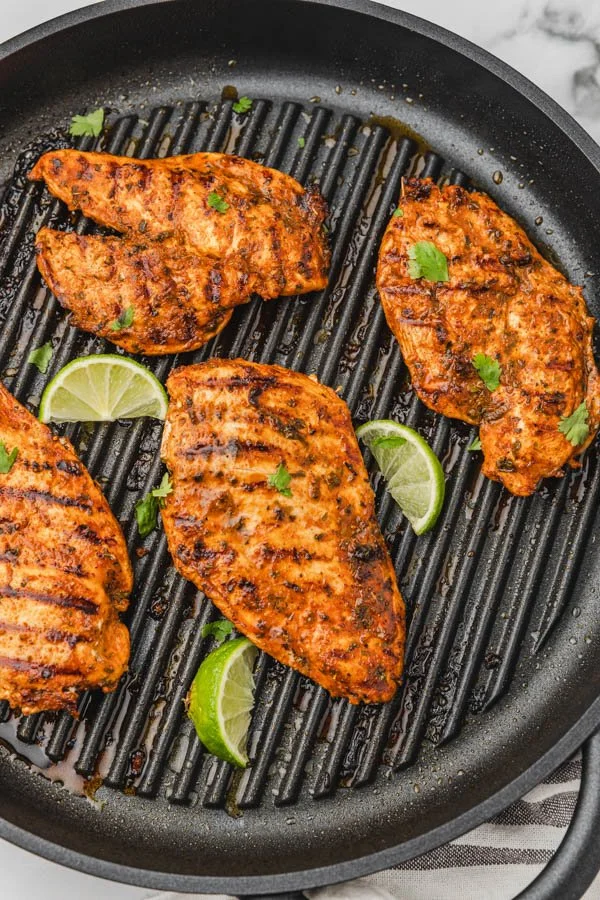
Homemade Italian Seasoning can elevate many dishes. Sprinkle it liberally on grilled chicken for a juicy and flavorful dinner, or mix it into meatballs or tomato sauce for a classic Italian meal. It also pairs wonderfully with roasted vegetables, enhancing their natural sweetness and creating a comforting side dish.
Consider using this blend as a seasoning for homemade pizza, where it can complement the cheese and toppings perfectly.
Nutritional Information
Homemade Italian Seasoning is low in calories, with approximately 5 calories per teaspoon. It’s packed with flavor without adding any fat or sugar, making it a balanced addition to your cooking. Incorporating herbs into your meals can enhance the nutritional value as they are often rich in antioxidants.
Storing Tips & Variations
To keep your Homemade Italian Seasoning fresh, store it in a cool, dark place, away from direct sunlight. A tightly sealed jar will help maintain its potency. For longer-lasting flavor, keep it in the refrigerator. It can last up to a year when stored properly.
You can easily adapt this recipe to suit your tastes; try adding dried fennel seeds for a hint of sweetness or substituting sage for marjoram for a different flavor profile.
Conclusion
I encourage you to try this Homemade Italian Seasoning and experience the wonderful flavors it brings to your meals. It’s an effortless way to add a touch of Italy to your cooking, and I’d love to hear about your culinary adventures with it. Whether it becomes a staple in your kitchen or a special blend for certain dishes, I promise it will enhance your recipes beautifully.
FAQs
1. Can I use fresh herbs instead of dried ones?
Yes, you can use fresh herbs, but you will need to increase the quantity since dried herbs are more concentrated. Use about three times the amount of fresh herbs.
2. How long can I store Homemade Italian Seasoning?
When stored properly in a cool, dark place, your seasoning can last anywhere from six months to a year. Just keep an eye on the aroma—if it loses its scent, it’s time to make a new batch!
3. Can I customize the recipe to include other herbs?
Absolutely! Feel free to experiment with other herbs you enjoy, such as fennel or dill. Just keep the proportions in mind for balance.
4. What dishes pair well with Homemade Italian Seasoning?
This seasoning is incredibly versatile and pairs well with pasta dishes, grilled meats, roasted vegetables, and even salads. It’s also fantastic in marinades and sauces.
5. Is this Italian seasoning gluten-free?
Yes, Homemade Italian Seasoning is naturally gluten-free as none of the herbs used contain gluten. Always check labels if you are using store-bought variants to ensure they meet dietary restrictions.
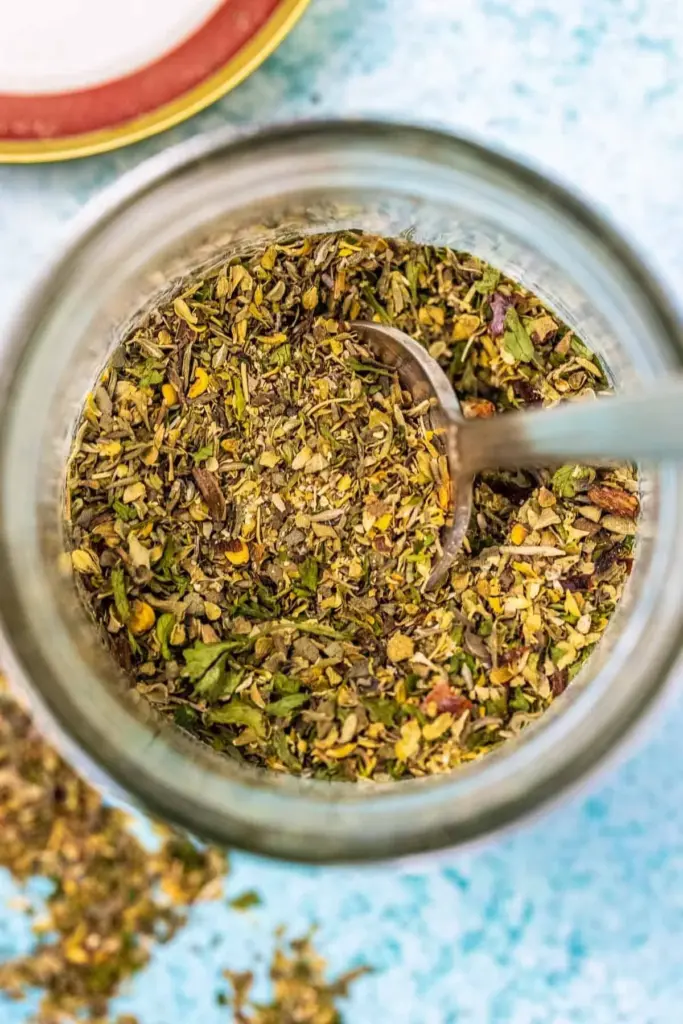
Homemade Italian Seasoning
Ingredients
Method
- In a small mixing bowl, combine all the dried herbs: basil, thyme, rosemary, marjoram, parsley, and oregano.
- If you enjoy a bit of spice, add the red pepper flakes and garlic powder to the mix.
- Stir everything together until well combined, ensuring the herbs are evenly distributed.
- Transfer your Homemade Italian Seasoning to a clean, dry jar. Seal tightly.



Leave a Reply