
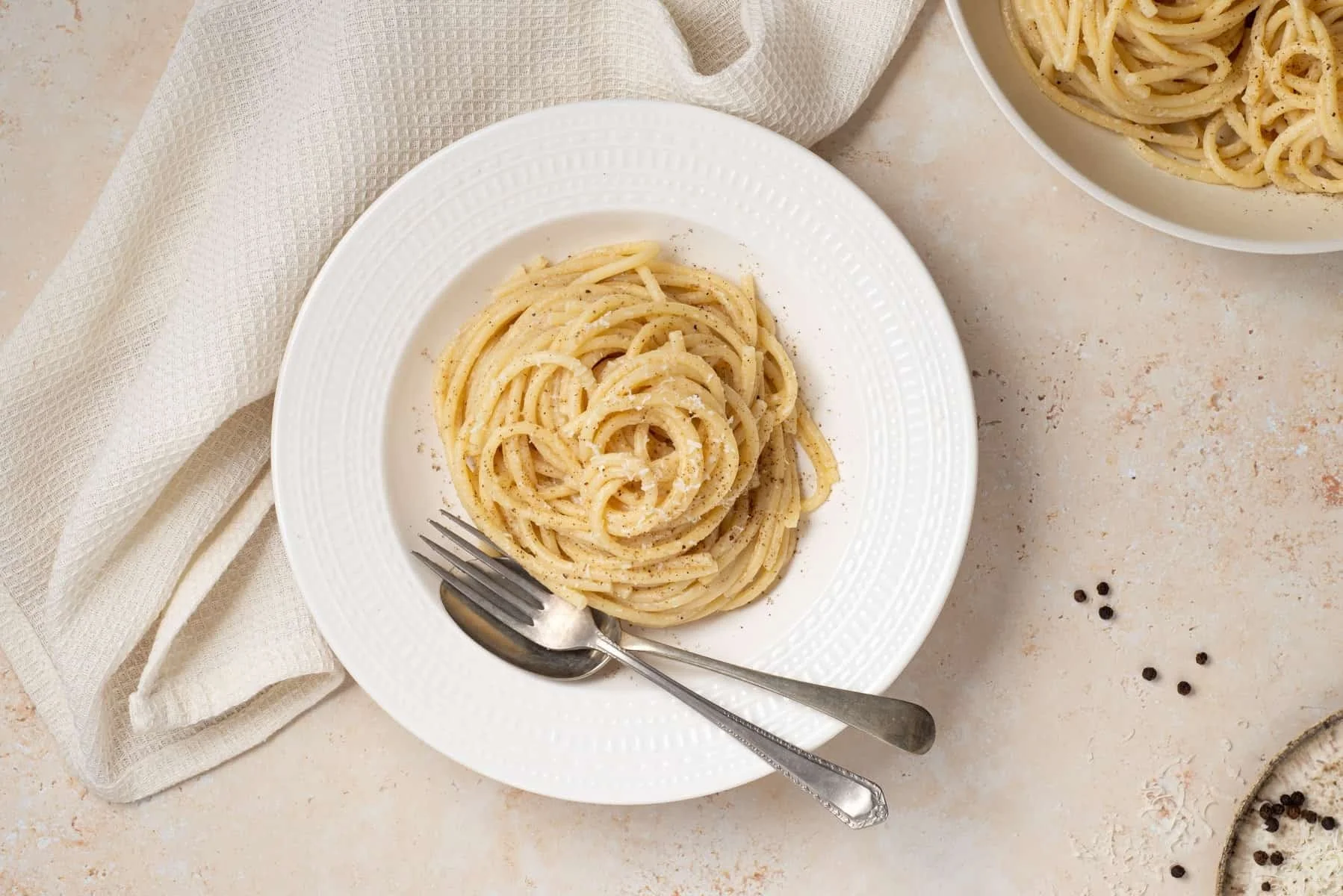
Authentic Cacio e Pepe is a traditional Roman dish that embodies the art of simplicity in Italian cooking. This creamy pasta, made with just three main ingredients, is a delightful marriage of flavors and textures that will transport you to the bustling streets of Rome with each bite. The rich and nutty Pecorino Romano cheese mingles beautifully with freshly ground black pepper, creating a savory sauce that clings to the pasta effortlessly. This Recipe not only brings a sense of nostalgia but is also incredibly comforting and perfect for a quick weeknight dinner. Follow this Step-by-Step guide, and you’ll discover how to create this classic dish in your own kitchen!
Ingredients
To make Authentic Cacio e Pepe, you will need the following aromatic and flavorful ingredients:
- ¼ cup water – reserved from cooking pasta
- 1 lb bucatini – a thick spaghetti-like pasta that holds the sauce well
- 4 cups Pecorino Romano – freshly grated, this cheese is rich, creamy, and adds a salty depth to the dish
- 3 teaspoons black pepper – freshly ground and coarse, providing an aromatic and slightly spicy kick that complements the cheese perfectly
These ingredients come together to create a dish that is not only delicious but also resonates with simplicity and culinary history.
Step-by-Step Directions
-
Cook the Pasta
Begin by cooking your pasta in salted water according to the package instructions. For the best results, use 1 gallon of water per pound of pasta. Remember to reserve 1 cup of pasta water two minutes before the pasta reaches al dente. Allow the reserved water to cool slightly before you mix it with the cheese. -
Grate the Cheese
While the pasta cooks, take the smallest hole on your grater and grate the Pecorino Romano into a bowl. This step will ensure that the cheese melts smoothly and combines well with the pasta. -
Toast the Pepper
In a large skillet, toast the freshly ground black pepper over medium heat for about 1–2 minutes to release its oils and flavors. Then, add a ladle of hot pasta water to the skillet. You’ll notice it bubbling and turning slightly white due to the starch, which will aid in binding the cheese and pepper to your pasta. -
Make the Cheese Paste
Slowly whisk ¼ cup of the reserved pasta water (making sure it’s warm but not boiling) into the grated cheese until a thick paste forms. If necessary, add more water one tablespoon at a time until you achieve the desired consistency. -
Combine Pasta and Pepper
Once the pasta is cooked, drain it well and add it to the skillet with the toasted pepper. Toss everything together to ensure the pasta is well coated with that flavor-packed mixture. -
Finalize the Sauce
Turn off the heat, then add the cheese paste to the pasta, tossing vigorously until it becomes smooth and saucy. If the sauce seems too thick, add a little more pasta water to reach the perfect creamy texture. -
Serve
Dish up your Cacio e Pepe while hot, garnishing it with a grind of coarse black pepper and an extra sprinkle of cheese for that perfect finishing touch!
Tips & Tricks
- Quality Ingredients Matter: Choose high-quality Pecorino Romano for the best flavor. Freshly grated cheese will melt better and offer more depth of taste than pre-grated varieties.
- Control the Heat: When toasting the pepper, keep an eye on the heat to avoid burning it. You want to enhance the flavors, not overpower them.
- Pasta Water is Key: The starchy pasta water is crucial for achieving a smooth sauce, so don’t skip this step. Adjust the water slowly to get the right consistency.
Serving Suggestions & Pairings
Authentic Cacio e Pepe shines on its own but pairs beautifully with a light salad or roasted vegetables for a rounded meal. For a more festive occasion, serve it alongside a crisp white wine like Pinot Grigio or a light red wine such as Chianti. This dish is perfect for family gatherings, cozy weeknight dinners, or even a romantic date night!
Nutritional Information
A serving of Cacio e Pepe roughly contains:
- Calories: 550
- Protein: 22g
- Carbohydrates: 72g
- Fat: 20g
This pasta dish is rich in carbohydrates and a great source of energy, but be mindful of portion sizes to maintain a balanced meal.
Storing Tips & Variations
To store any leftovers, place them in an airtight container in the refrigerator for up to 3 days. If you need to reheat the pasta, do so gently in a skillet with a splash of water to restore creaminess. For variations, consider adding sautéed vegetables like spinach or peas, or even proteins such as grilled chicken or shrimp for a heartier meal.
Conclusion
Authentic Cacio e Pepe is not just a dish; it’s an experience that evokes the charm of traditional Italian cooking. With its straightforward approach and delightful flavors, you can create a restaurant-quality meal at home in no time. I encourage you to try this recipe and share your experience—it’s sure to become a family favorite!
FAQs
-
Can I use a different type of pasta?
Yes, while bucatini is traditional, you can substitute with spaghetti or linguine, though they may hold slightly less sauce. -
Is Pecorino Romano the only cheese I can use?
Pecorino Romano is preferred for its unique flavor, but you can mix it with Parmigiano-Reggiano for a different taste if necessary. -
How can I make this dish vegetarian-friendly?
The ingredients are naturally vegetarian; just ensure no meat-based broth is used in cooking the pasta. -
Can I prepare this dish ahead of time?
Cacio e Pepe is best served fresh, as reheating can affect the texture of the cheese sauce. -
What do I do if my sauce is too clumpy?
If the cheese clumps, add a bit more warm pasta water and toss vigorously to help it emulsify and become smooth again!
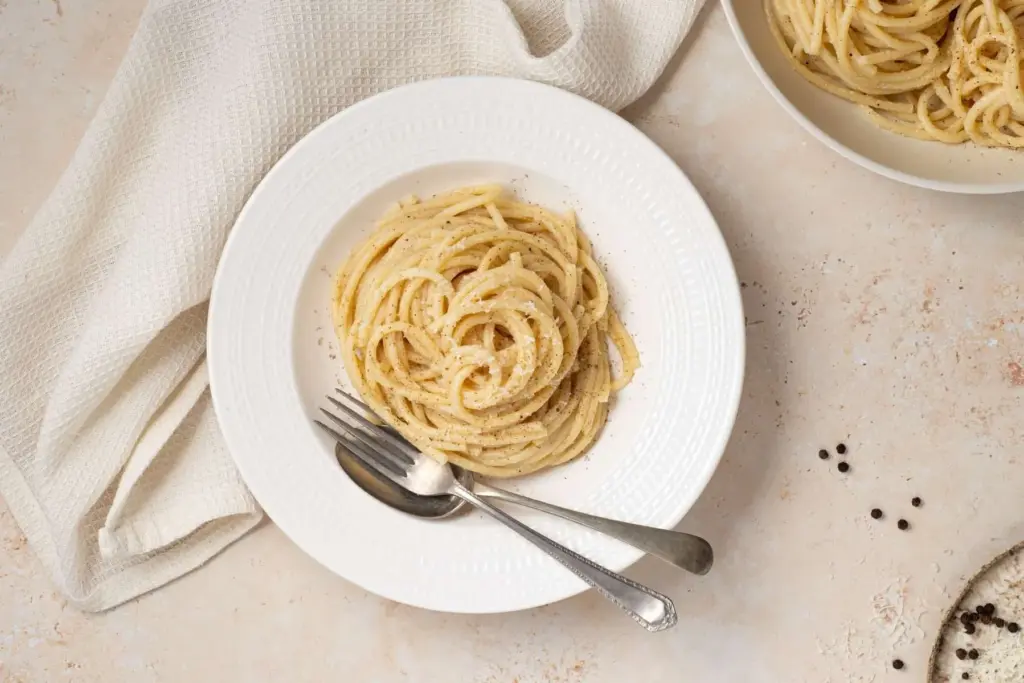
Cacio e Pepe
Ingredients
Method
- Cook the pasta in salted water according to package instructions, using 1 gallon of water per pound of pasta.
- Reserve 1 cup of pasta water two minutes before the pasta reaches al dente.
- Grate the Pecorino Romano into a bowl using the smallest hole of your grater.
- Toast the freshly ground black pepper in a large skillet over medium heat for 1–2 minutes.
- Add a ladle of hot pasta water to the skillet and watch it bubble and turn slightly white.
- Whisk ¼ cup of the reserved pasta water into the grated cheese until a thick paste forms.
- Add more water one tablespoon at a time if necessary to achieve the desired consistency.
- Once the pasta is cooked, drain it well and add it to the skillet with the toasted pepper.
- Toss everything together to ensure the pasta is well coated with the flavor-packed mixture.
- Turn off the heat and add the cheese paste to the pasta, tossing vigorously until smooth and saucy.
- Add additional pasta water if the sauce seems too thick.
- Serve hot, garnished with a grind of coarse black pepper and an extra sprinkle of cheese.




Leave a Reply