
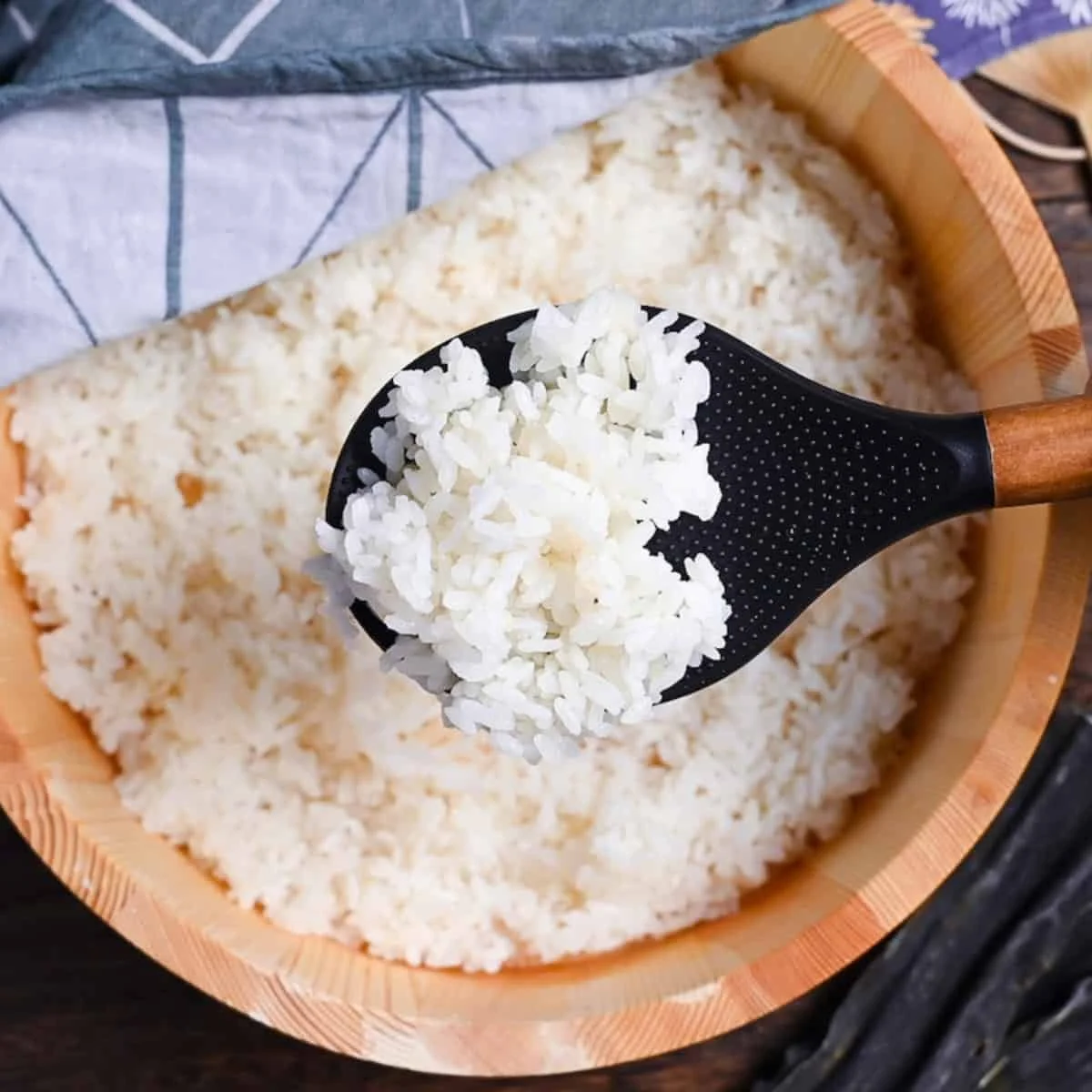
Making perfect sushi rice is an art form that elevates your sushi-making experience and brings the taste of Japan right to your kitchen. This recipe guides you through each step of creating fluffy, flavorful rice that serves as the backbone for your sushi rolls, hand rolls, or even sushi bowls. With its comforting texture and subtly sweet flavor, sushi rice is not just a dish; it’s an invitation to create and share delicious moments with family and friends.
Ingredients
- 300 g uncooked Japanese rice (I used koshihikari): This creamy and sticky rice is ideal for sushi, providing the necessary texture to hold the rolls together.
- 350 ml cold water: Essential for cooking rice thoroughly while maintaining its moisture.
- 5 g dried kelp (kombu) (optional): A treasure in Japanese cooking, kombu adds a depth of umami flavor to the rice.
- 1 tbsp sake (optional): This Japanese rice wine enhances the subtle flavors of the rice.
- 2 tbsp rice vinegar: Provides tanginess, balancing sweetness and ensuring the proper flavor profile.
- 1 tbsp sugar: A touch of sweetness that enriches the overall taste.
- ½ tbsp salt: Elevates the flavors, creating a perfect harmony in the dish.
Step-by-Step Directions
Rinse the Rice
Pour 300 g uncooked Japanese rice into a sieve and place it over a large bowl. Fill the bowl with cold water and gently swish the rice around until the water becomes cloudy. Drain this water and repeat the process two more times, ensuring the rice is rinsed thoroughly. While the water doesn’t need to be crystal clear, this step is crucial for removing excess starch.
Soak the Rice
Transfer the rinsed rice to a rice cooker or a pot with a lid and add 350 ml of cold water and 5 g of dried kelp (kombu) if you’re using it. Allow the rice to soak for 30 minutes (or up to 1 hour in colder weather). Soaking helps the rice absorb water evenly, leading to a better texture once cooked.
Cook the Rice
If using a rice cooker, follow the best setting for sushi rice. For stovetop cooking, after soaking, add 1 tbsp of sake and stir gently. Cover the pot and bring it to a boil over medium heat; keep an ear out for the boiling sound — don’t lift the lid! Once boiling, set a timer for 30 seconds.
After 30 seconds, reduce the heat to medium-low and set a timer for 2 minutes. Next, turn the heat to low and time for 5 minutes. To finish, raise the heat to high for 10 seconds, then turn it off. Let the pot sit for 10 minutes undisturbed, allowing the steam to continue cooking the rice.
Prepare the Vinegar Mixture
While the rice is steaming, mix 1 tbsp of sugar and ½ tbsp of salt with 2 tbsp of rice vinegar until fully dissolved. This mixture is essential for seasoning your sushi rice.
Transfer and Mix
Once the steaming is complete, gently mix the rice and transfer it to a sushi oke or a wide container (wet the surface to prevent sticking). Avoid scraping the bottom of the pot, as those grains can be overly crispy. Pour the vinegar mixture over the rice and fold it gently using a rice paddle while fanning it to help cool the rice quickly.
Cool Down the Rice
Spread the rice into a thin layer to speed up the cooling process. Use the rice immediately or cover it with a damp tea towel to prevent it from drying out. It’s best to roll sushi when the rice reaches around body temperature, making it easy to work with.
Enjoy your perfectly cooked sushi rice!
Tips & Tricks
- Choose Quality Rice: Use high-quality Japanese rice for the best results. This type of rice is sticky and will hold your sushi together nicely.
- Consistent Washing: Make sure to rinse the rice well to achieve the desired fluffy texture without excess stickiness.
- Flavor Variations: Feel free to adjust the vinegar mixture according to your taste preferences, adding more sugar for sweetness or more vinegar for tanginess.
- Ideal Conditions: Sushi rice is best when used fresh, but make sure to keep it covered to maintain moisture.
- Avoid Overhandling: Gently mixing is key. Overworking the rice can lead to mushy textures.
Serving Suggestions & Pairings
Perfect sushi rice is a versatile base for a variety of sushi, including maki rolls, nigiri, and chirashi bowls. Pair it with fresh sashimi, pickled veggies, or even your favorite dipping sauces. It’s ideal for casual family dinners, sushi-making parties, or for impressing guests during special occasions.
Nutritional Information
A typical serving of sushi rice (about 100 g) contains approximately:
- Calories: 130
- Carbohydrates: 28 g
- Protein: 2 g
- Fat: 0.3 g
- Fiber: 0.5 g
This dish is a wonderful source of energy due to its carbohydrate content. However, balance it with protein-rich ingredients and vegetables for wholesome meals.
Storing Tips & Variations
You can store leftover sushi rice in an airtight container in the refrigerator for up to 2 days. When ready to use, reheat it gently while adding a little water to restore its original texture. For variations, try adding different herbs or spices to the vinegar mixture or incorporating quinoa or brown rice for a healthier twist.
Conclusion
Now that you know how to make perfect sushi rice, it’s time to roll up your sleeves and start creating your sushi masterpieces! The joy of making sushi at home is incredible, and your friends and family will appreciate your effort. Don’t hesitate to experiment with the flavors and textures; it’s part of the fun. Share your experiences, and let’s keep the love for sushi alive!
FAQs
-
Can I use regular rice for sushi?
While using regular rice is possible, authentic sushi requires short-grain Japanese rice for the right sticky texture and taste. -
What if I don’t have rice vinegar?
If rice vinegar is unavailable, you can substitute it with white vinegar, but adjust the sugar for desired sweetness. -
How long can I store sushi rice?
Sushi rice is best when fresh. Store in the refrigerator for up to 2 days. Reheat carefully to restore texture. -
Can I freeze sushi rice?
Yes, you can freeze sushi rice in an airtight container. When ready to use, thaw in the refrigerator and reheat gently with a bit of water. -
What are some sushi roll fillings I can try with this rice?
Popular fillings include crab sticks, avocado, cucumber, and fresh fish like salmon or tuna. Don’t hesitate to get creative!
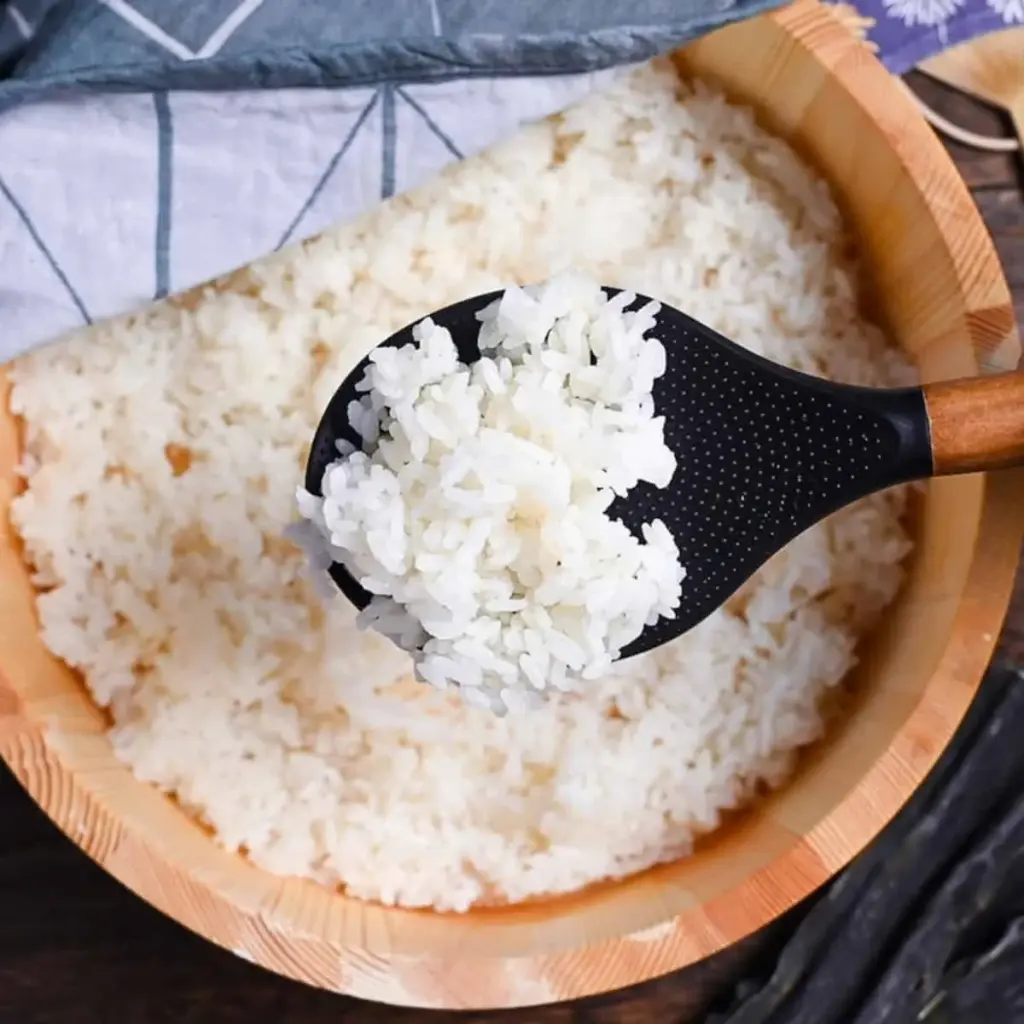
Sushi Rice
Ingredients
Method
- Rinse the rice using a sieve over a large bowl, swishing it in cold water until the water is cloudy. Drain and repeat twice more.
- Soak the rinsed rice in a rice cooker or pot with 350 ml of cold water and 5 g of kombu for 30 minutes to 1 hour.
- Cook the rice according to your rice cooker’s sushi setting, or for stovetop, add 1 tbsp sake after soaking and bring to a boil covered, without lifting the lid.
- After 30 seconds of boiling, reduce heat to medium-low for 2 minutes, then low for 5 minutes. Raise heat to high for 10 seconds, then turn off and let sit for 10 minutes undisturbed.
- While the rice is steaming, mix 1 tbsp sugar, ½ tbsp salt, and 2 tbsp rice vinegar until dissolved.
- Once steaming is complete, gently transfer rice to a sushi oke or wide container, avoiding scraping the bottom of the pot. Pour the vinegar mixture over and fold gently with a rice paddle, fanning to cool.
- Spread rice into a thin layer to cool quickly. Use immediately or cover with a damp tea towel to prevent drying.




Leave a Reply